
Why Service Design Is the Natural Next Step After UX Research
You Did the UX Research. Users Still Complain. Here’s Why. Here’s a scenario every product team has lived through: you run interviews, shadow users, map their pain points, redesign the flow, ship it… and three months later, the same complaints show up in your support tickets. The button is prettier. The flow is shorter. Users […]
Task Completion Rate Is Lying to You: What to Actually Measure in AI User Flows
Most teams shipping an AI feature track the same first metric: did the user complete the task? It feels like the obvious thing to watch, and on a dashboard, a high completion rate looks like a win. Except completion rate can’t tell the difference between a user who finished a task and trusted the result, […]
Designing for Gen Z: Why Stability Is the New Delight
A field note on trust-first design for Gen Z; from checkout flows and store layouts to the loading screen while an AI assistant thinks. For years, the design brief for Gen Z (roughly those born between 1997 and 2012) read like a dare: be louder, be faster, be more surprising than whatever came before. Bold […]
AI Slop Is Flooding Product Design. Here’s Who’s Cleaning It Up
Open any AI design tool right now and type “design me a fintech app dashboard.” In under a minute, you’ll have cards, charts, a sidebar, and a colour palette that looks like it belongs on a real product. It’s clean. It’s on-brand-ish. It even follows most of the textbook UI rules; decent contrast, sensible spacing, […]
Think Before You Prompt: The AI Framework Every UX Researcher and Designer Needs
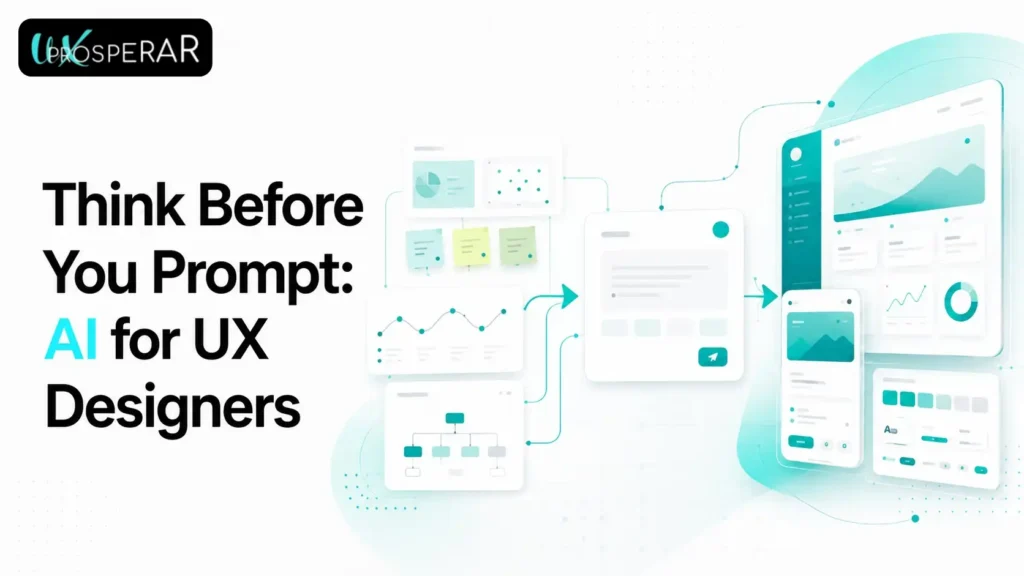
Most UX researchers and designers have tried the same thing: open ChatGPT, type a request for a research plan, a persona, or a set of usability findings, and get something that reads well but feels generic. Not wrong exactly, just… safe. Surface-level. The kind of output that could apply to almost any product, because it […]
Is Discovery Research Dead in the Age of AI? Why It’s Becoming More Important, Not Less

AI has made building almost free. That’s exactly why knowing what to build has become the hardest, and most valuable, part of the job. If you’ve spent any time in a product or design team meeting in 2026, you’ve probably heard some version of this argument: “Why run discovery research when we can just prototype […]
AI Never Says No: Why Design Teams Still Need Humans in the Loop
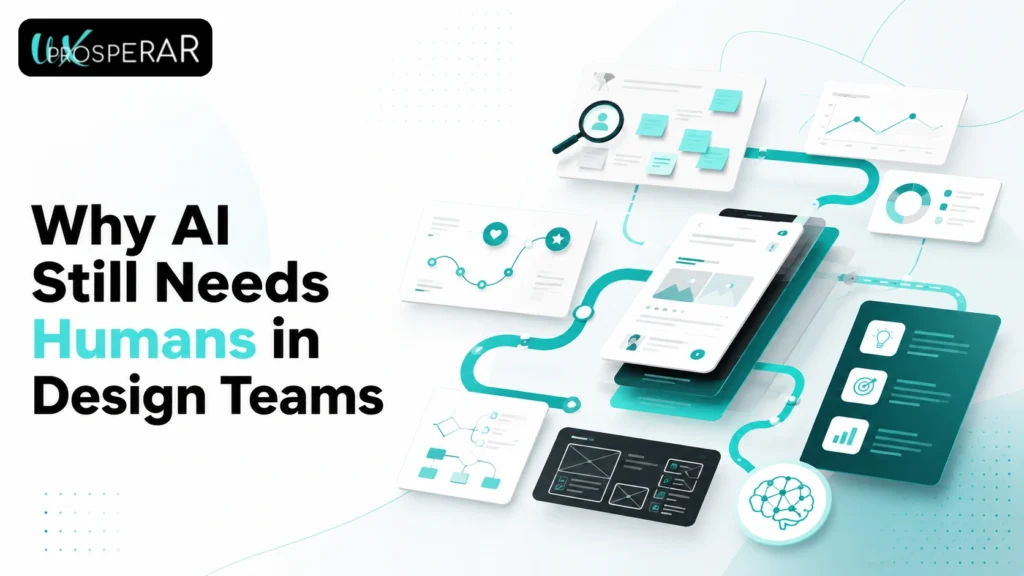
Try this. Ask an AI tool to design a checkout flow. It will hand you one in seconds, clean and confident looking. Ask again with a slightly different prompt and you get another, just as polished. Now ask if either one is actually good for your users. It will still say yes. That’s the quiet […]
Designing for Crisis: How War Reshapes User Behaviour in UI/UX
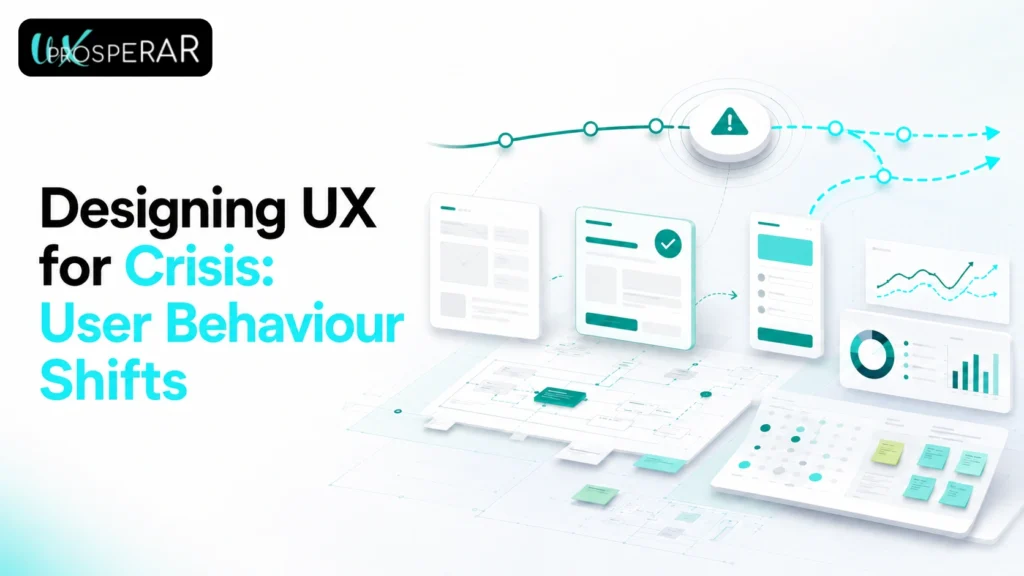
Most digital products are designed with one quiet assumption: users are calm, connected, and have time to think. They’ll compare options. They’ll read content. They’ll explore. But in a crisis, that version of the user changes almost instantly. Whether it is war, political instability, economic uncertainty, or any large-scale disruption, people do not interact with […]
Diagnosing Navigation Flaws: Information Architecture Issues Behind Depth, Detours & Duplicate Categories
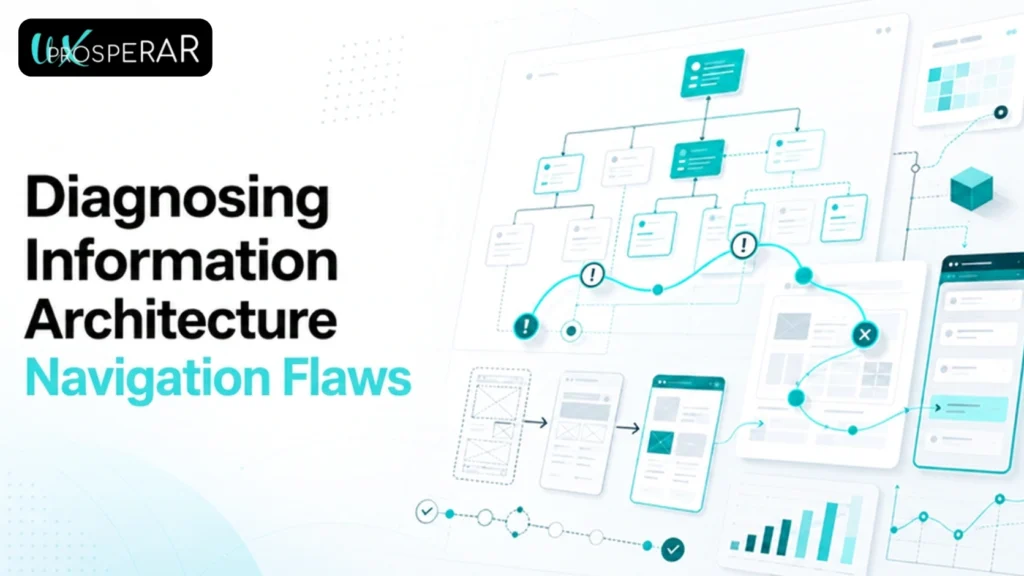
Why Navigation Problems Are Hard to Notice, Until You Try to Use Them Navigation rarely fails in obvious ways. Buttons are clickable. Pages load. Menus expand. From a product team’s perspective, everything looks functional. But the real test of navigation isn’t whether it works. It’s whether it works without making the user think too much. And […]
Designing for Growth: Reviewing Feature Placement and Scalability
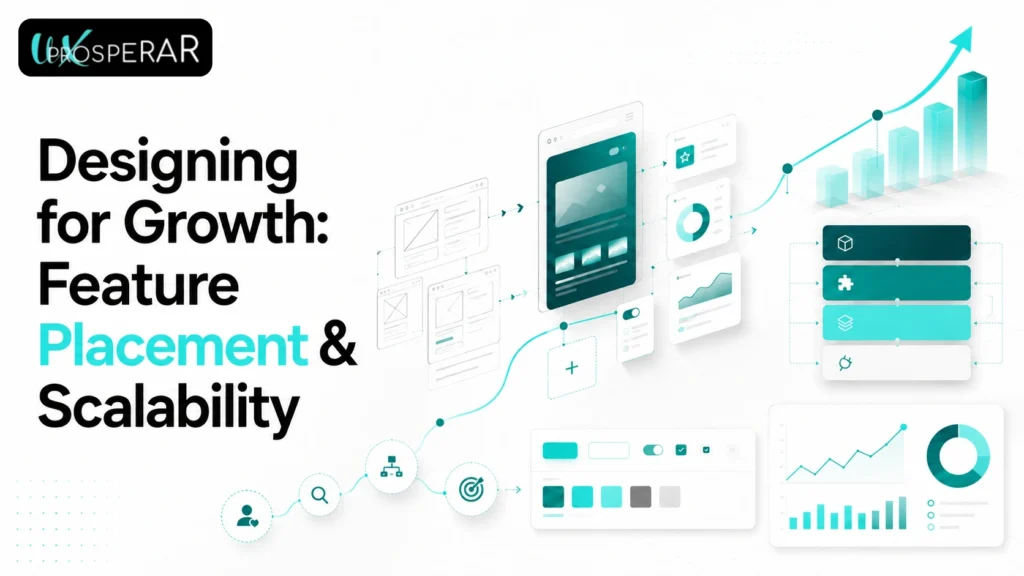
Most Products Don’t Break, They Get Crowded Early-stage products are usually easy to use. There are fewer features, fewer decisions, and everything feels predictable. You open the app, you know where to go, and even if you don’t, it doesn’t take long to figure it out. Then growth begins. New features are added. New use […]